One-Stroke Calligraphy
The Healing and Meditative Art of Two Spiritual Masters
Master Zhi Gang Sha
Ven. Mae Chee Sansanee Sthirasuta
A Curatorial Proposal

Artists and Selected Works
Master Zhi Gang Sha
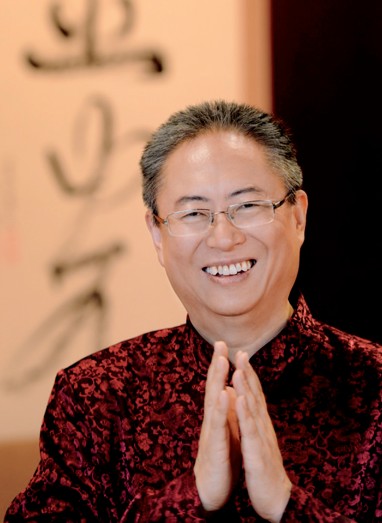
"Tao Calligraphy is art. Oneness writing.
One qi from beginning to end. It is art, and beyond art."
"Tao Calligraphy is art. Oneness writing. One Qi from beginning to end. It is art, and beyond art."
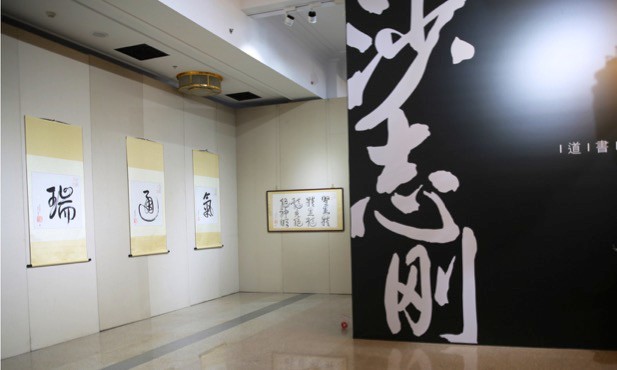
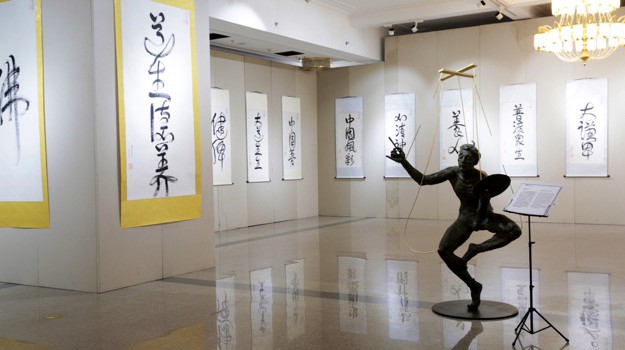
Previously Exhibited Works:
Beijing, Cultural Palace of Nationalities, 2016,
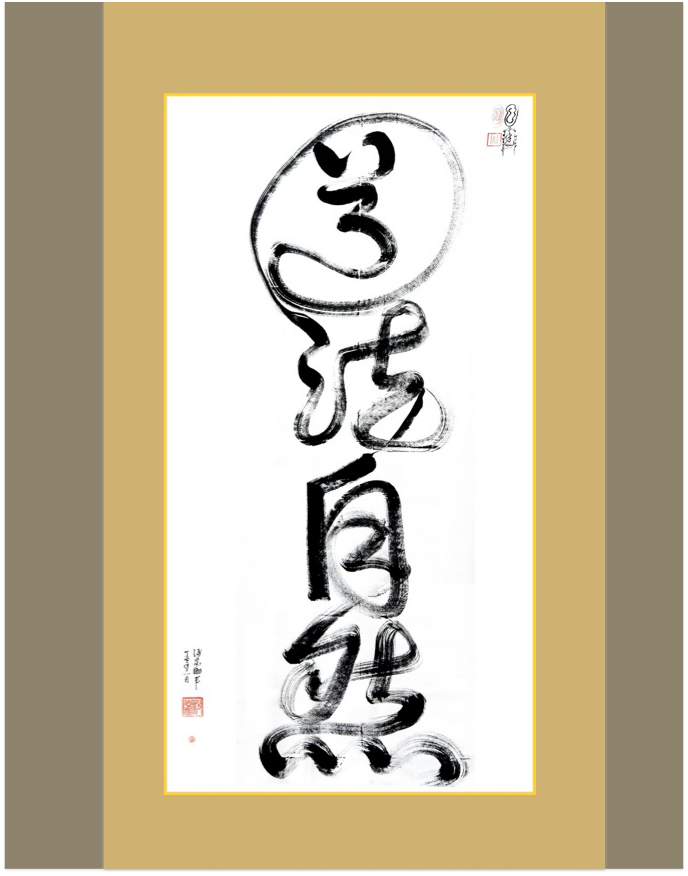
Photo Credit: Henderson Ong
ZHI GANG SHA –
TAO FA ZI RAN/ FOLLOW NATURE’S WAY
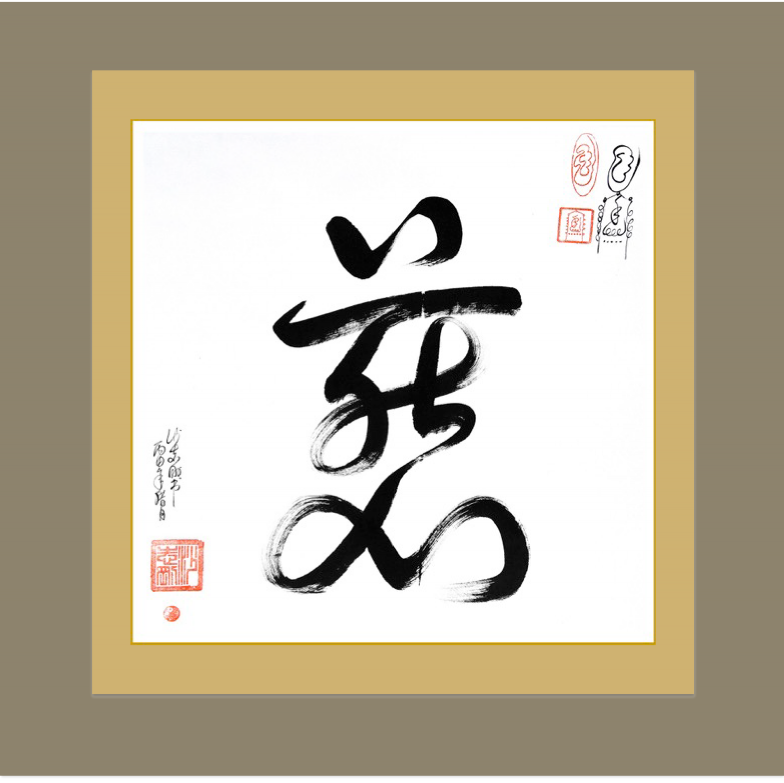
Photo Credit: Henderson Ong
ZHI GANG SHA – CI/COMPASSION
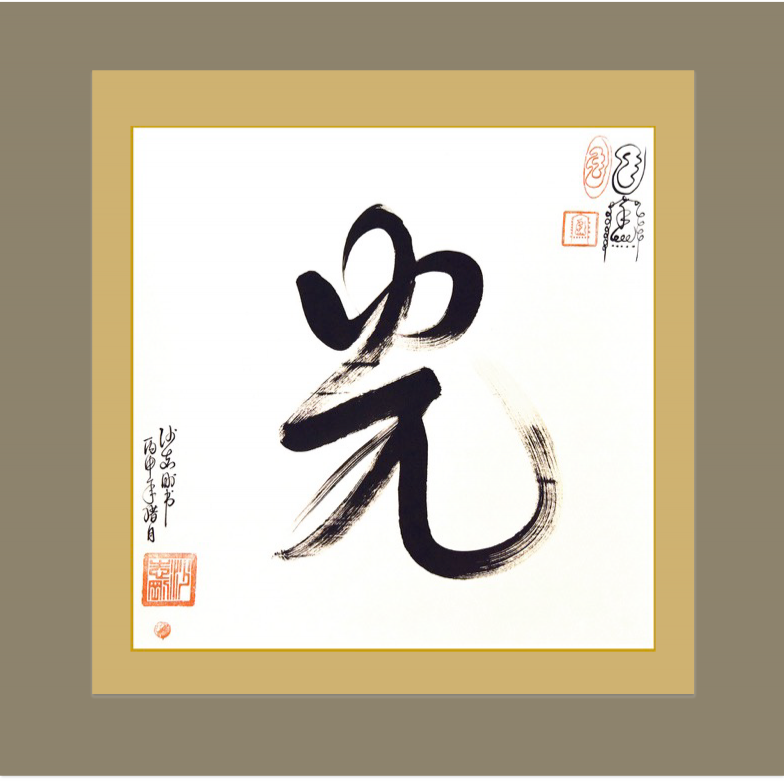
Photo Credit: Henderson Ong
ZHI GANG SHA – GUANG/LIGHT
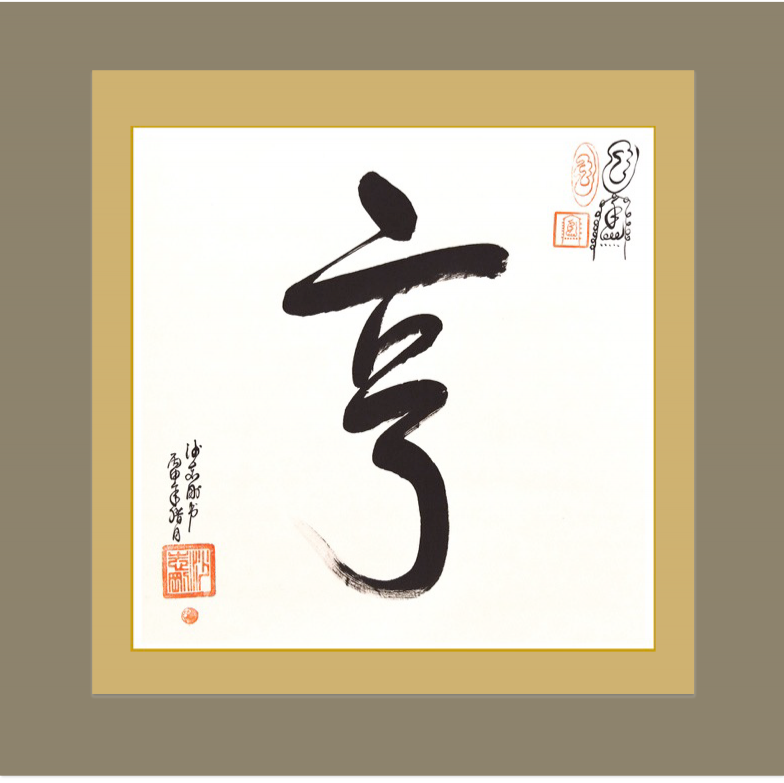
Photo Credit: Henderson Ong
ZHI GANG SHA – HENG/PROSPEROUS
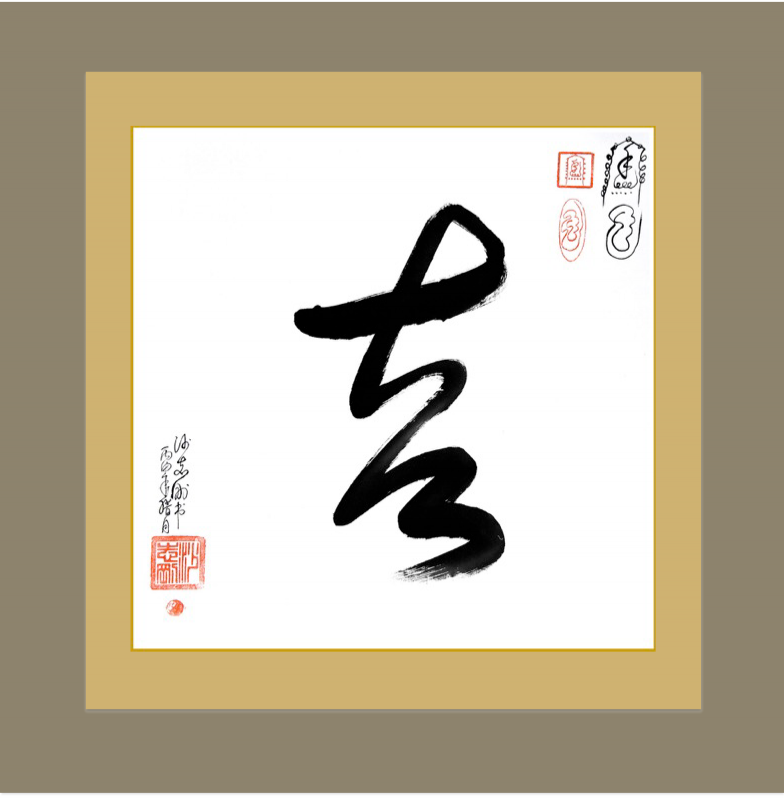
Photo Credit: Henderson Ong
ZHI GANG SHA – JI/LUCKY
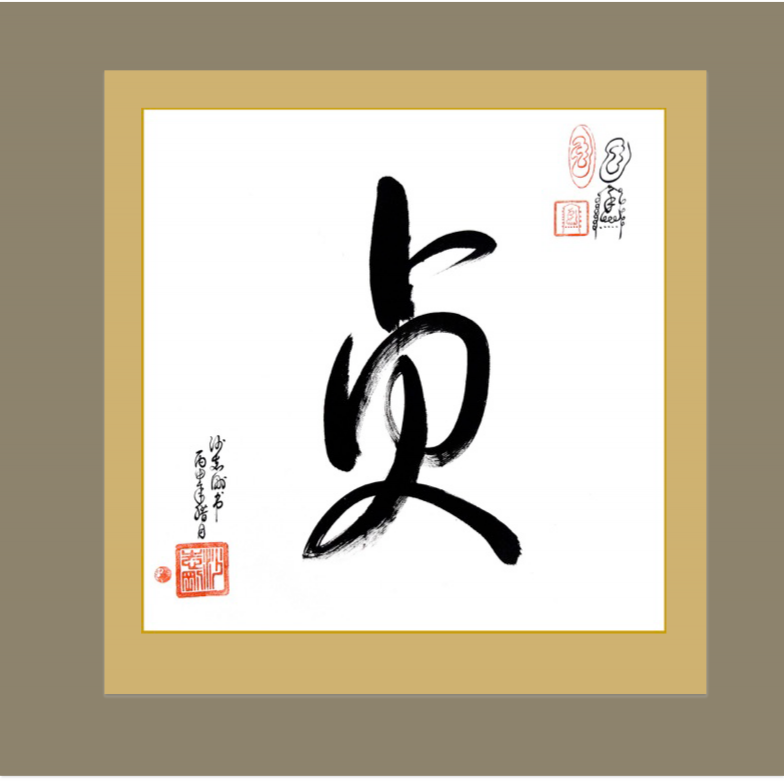
Photo Credit: Henderson Ong
ZHI GANG SHA – ZHEN/VIRTUOUS
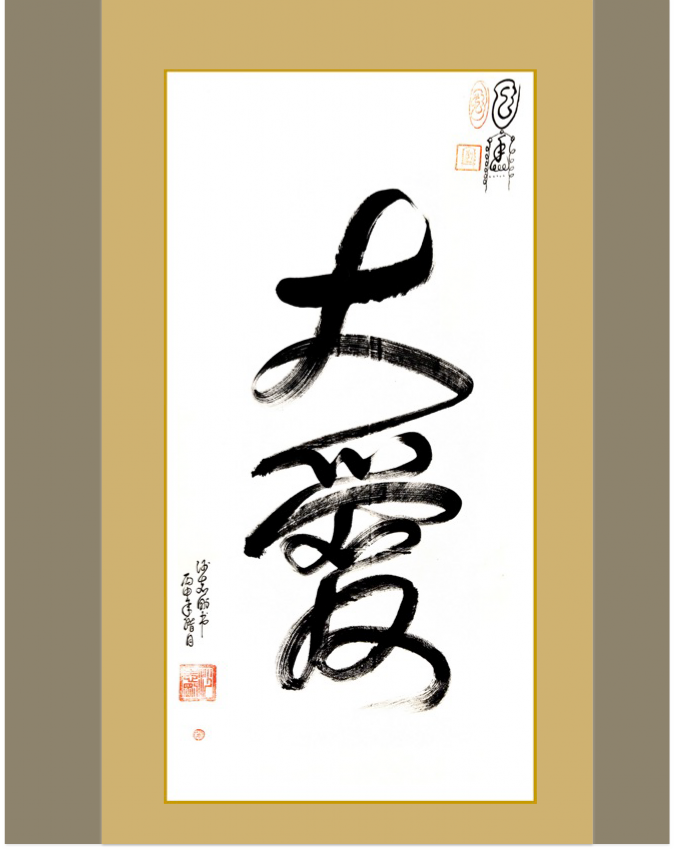
Photo Credit: Henderson Ong
ZHI GANG SHA – DA AI/GREATEST LOVE
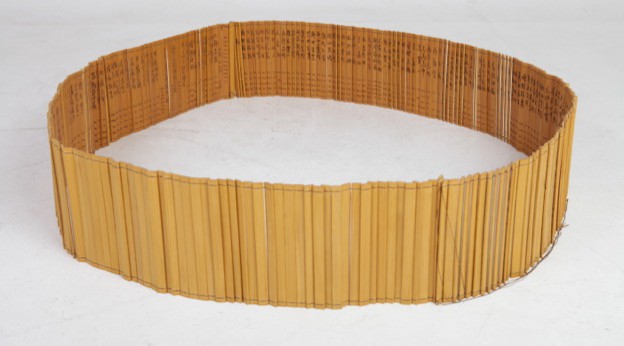
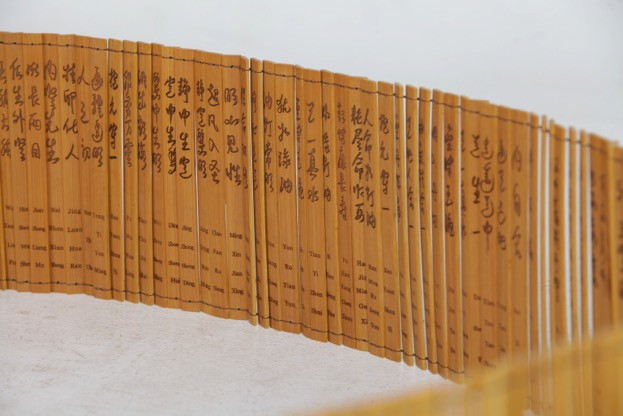
Photo Credit: Sophia Lyn Sims
ZHI GANG SHA – Immortal Tao Calligraphy on Wooden Panel
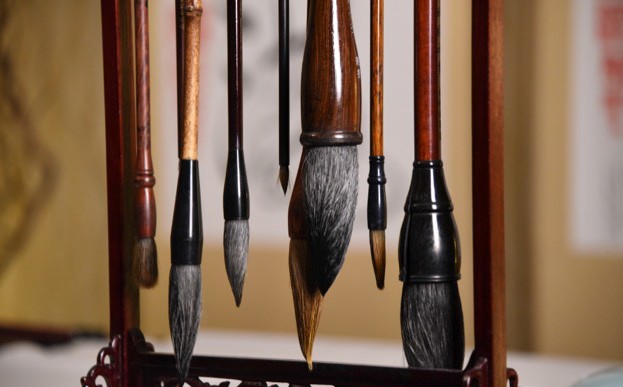
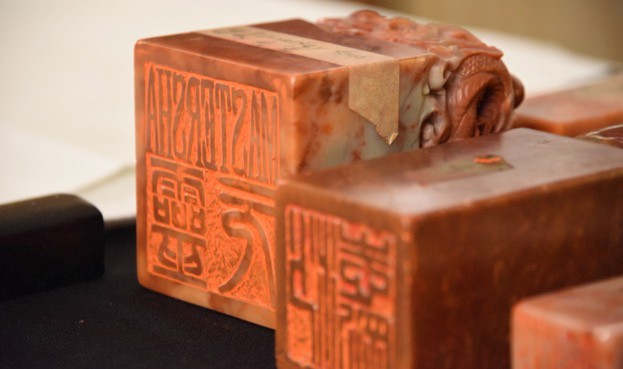
Photo Credit: Hardeep Kharbanda
ZHI GANG SHA – Calligraphy Tools
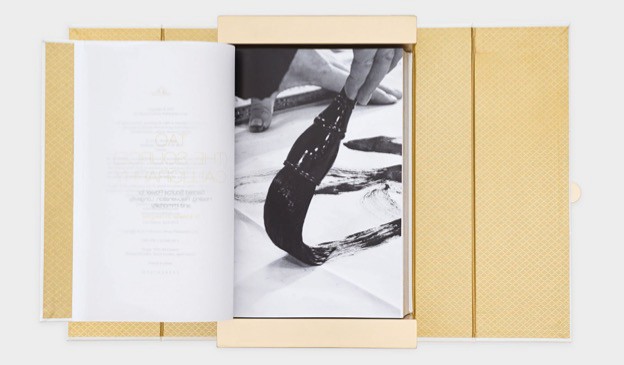
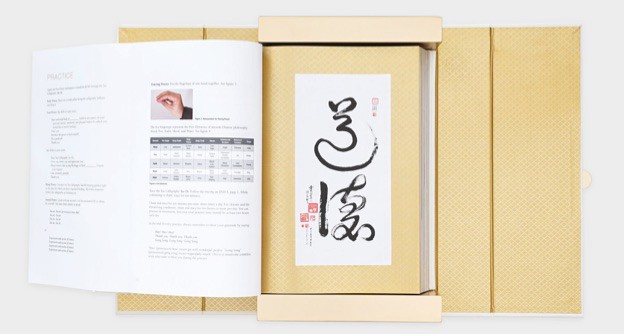
The Tao Calligraphy book is comprised of 480 French-fold pages, 45 tipped-on calligraphy scrolls, 45 fold out pages, 12 translucent fly sheets, 3 ribbon bookmarks, gold lenticular foil end sheets and a faux ostrich leather cover foil stamped with satin metallic gold foil and bound with Chinese rope binding.
Venerable Mae Chee Sansanee Sthirasuta
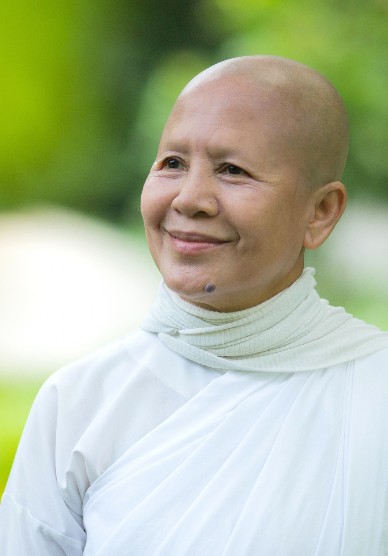
“A quiet mind speaks the loudest.”
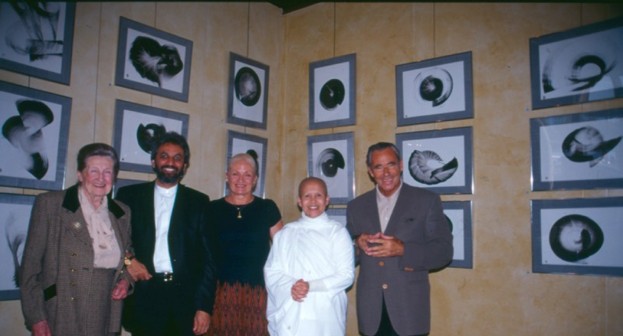
Previously Exhibited Works: Geneva, Switzerland, 2003
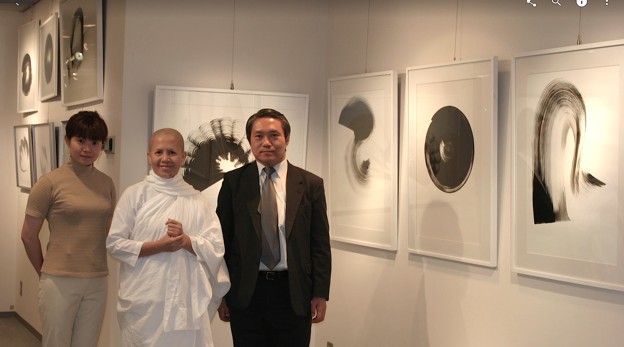
Previously Exhibited Works: Tokyo, Japan, 2005
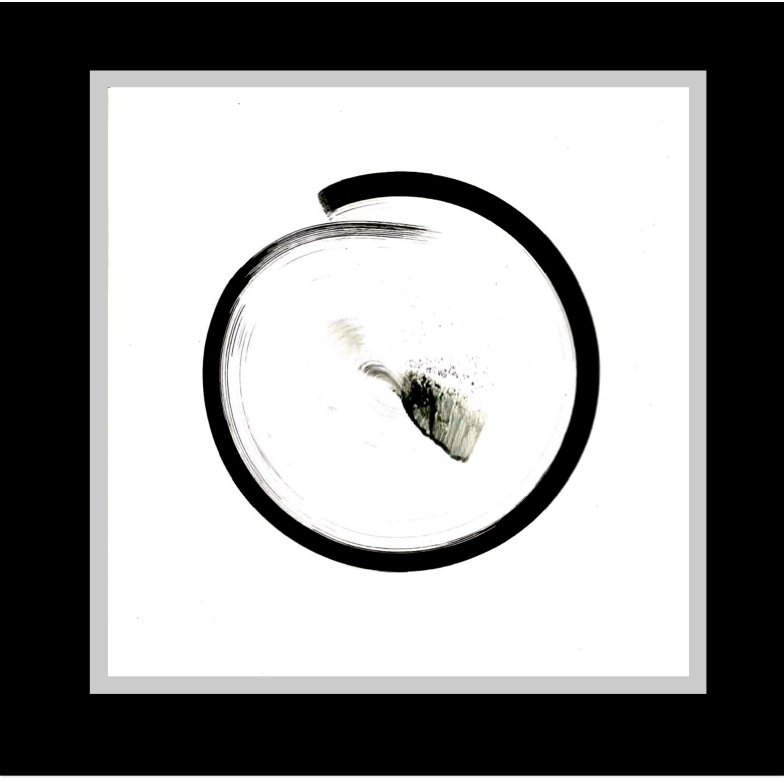
VENERABLE MAE CHEE SANSANEE
We can touch only this precious present moment.
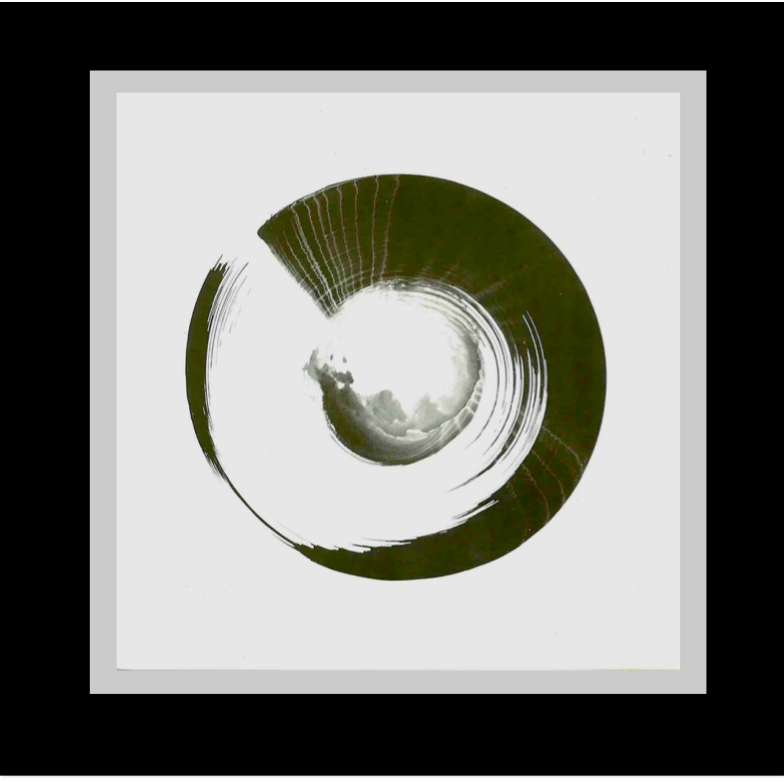
VENERABLE MAE CHEE SANSANEE
Listen with your heart instead of your ears.
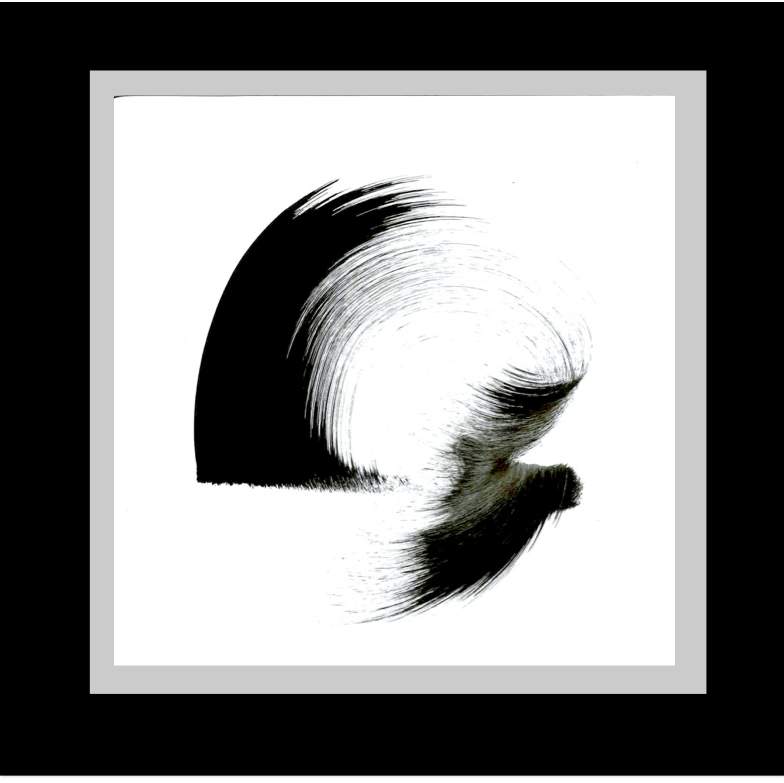
VENERABLE MAE CHEE SANSANEE
Praise is always accompanied by gossip.
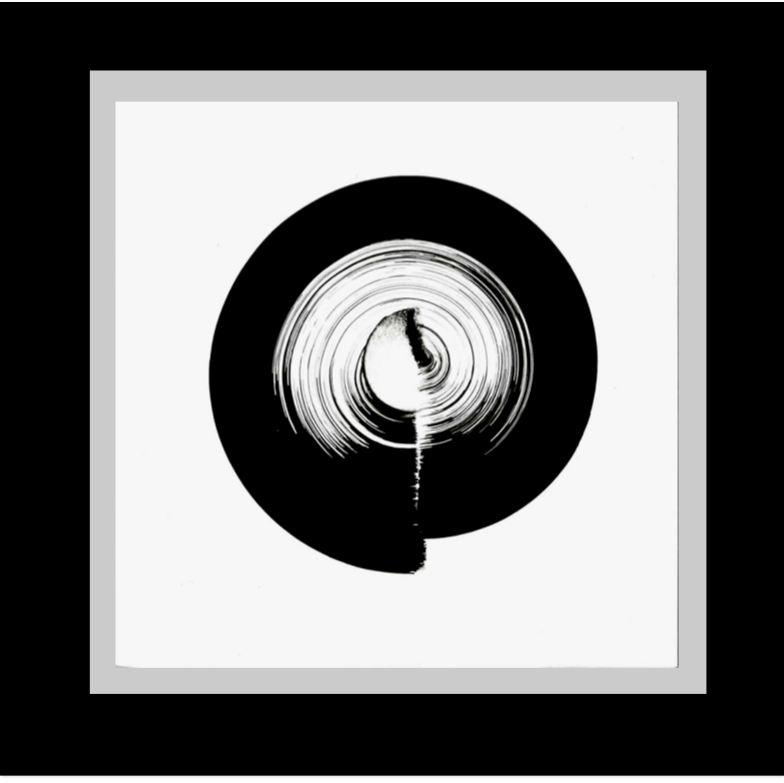
VENERABLE MAE CHEE SANSANEE
Become happy by giving love without expecting anything.
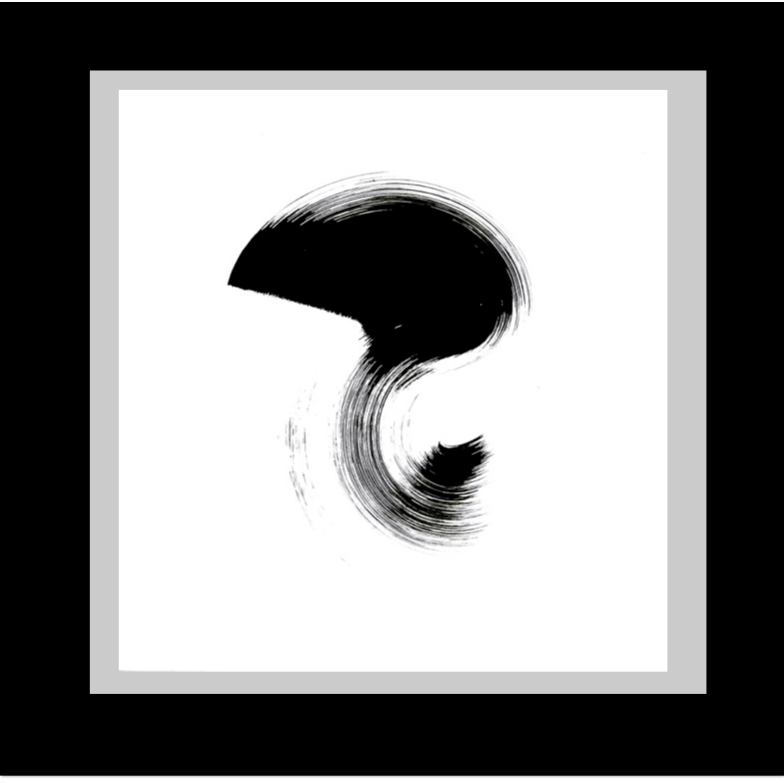
VENERABLE MAE CHEE SANSANEE
Remove yourself from the poison dart board of life.
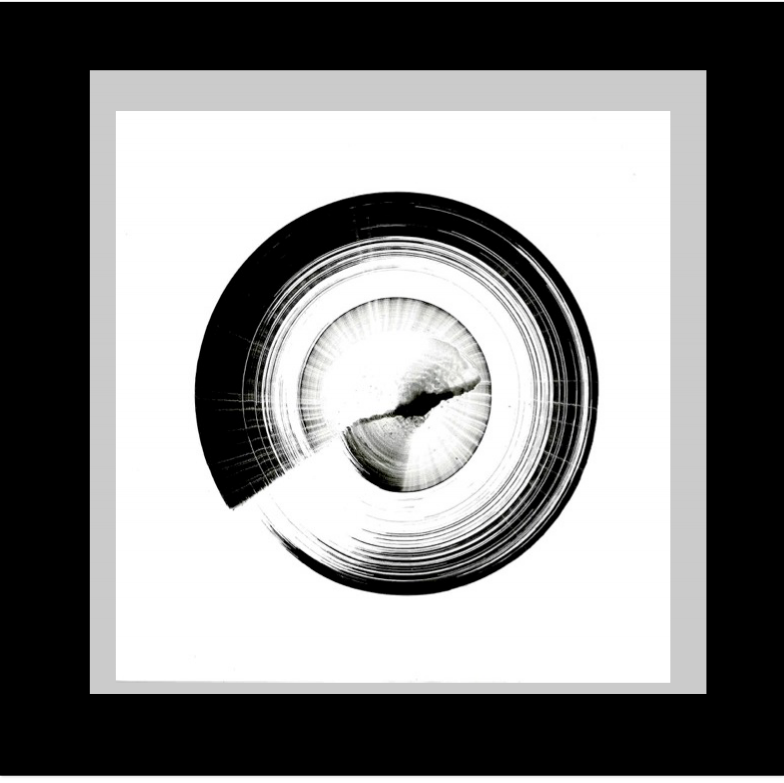
VENERABLE MAE CHEE SANSANEE
Be calm while living in this messy world
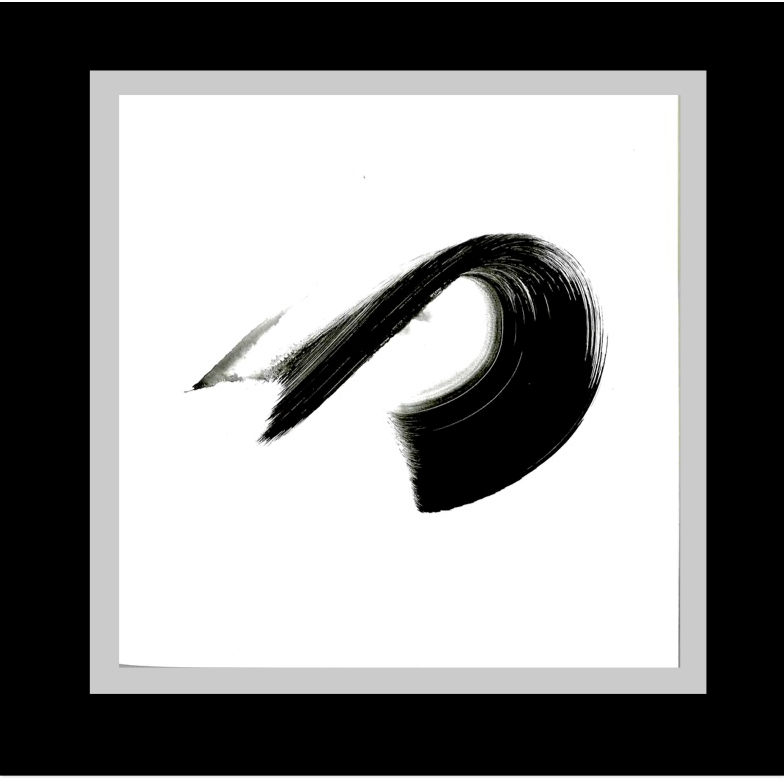
VENERABLE MAE CHEE SANSANE
Your life is too precious to be stressful.
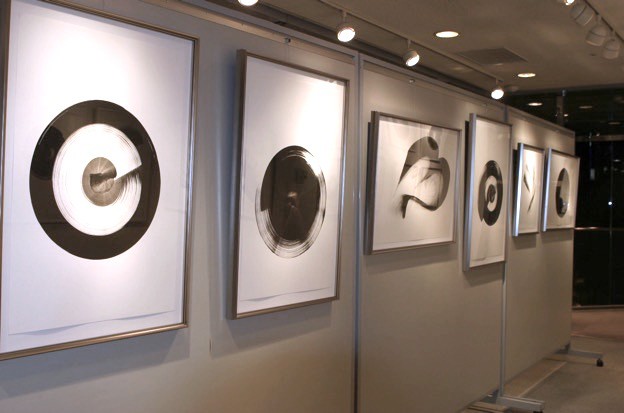
Previously Exhibited Works: Tokyo, Japan, 2005
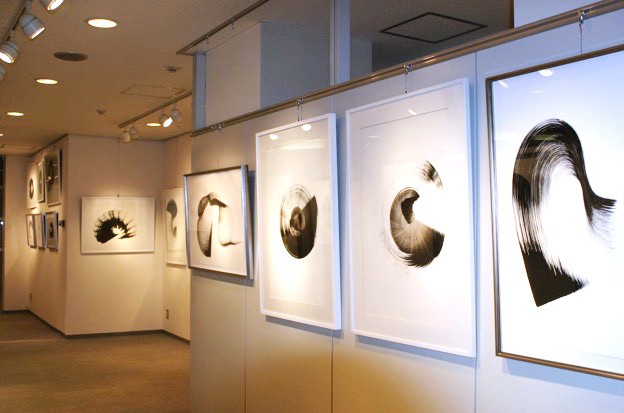
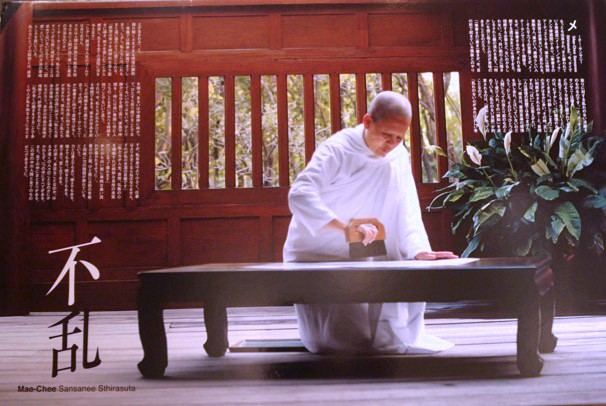
Tokyo, Japan, 2005
Curatorial Brief

"Tao Calligraphy is art. Oneness writing. One qi from beginning to end. It is art, and beyond art." –
“A quiet mind speaks the loudest.”
This exhibition uses the historical intersections of art and spirituality as a point of departure, in order to explore the philosophical, mystical, and disciplined nature of calligraphy. It offers a window onto an overlooked cornerstone of art and the two exceptional artists who are contributing to its lineage. Ultimately, the purpose of this exhibition is twofold: it aims to celebrate calligraphy, but it also endeavors to inform; to provide a litany of tools to expand our cultural and spiritual lexicon.
It goes without saying that the form of calligraphy—and, for that matter, Chinese characters—is distinct. Every word has its own character, a “unique symbol…a kind of abstract diagram…[that] must be learned separately through a laborious process of writing and rewriting [each] character till it has been memorized. To read a newspaper requires a knowledge of around 3,000 characters; a well-educated person is familiar with about 5,000 characters; a professor with perhaps 8,000. More than 50,000 characters exist in all, the great majority never to be used.” The beauty of this system is that each word expresses more than just sound and semantics. “Traditional writings about calligraphy suggest that written words play multiple roles: not only does a character denote specific meanings, but its very form should reveal itself to be a moral exemplar, as well as a manifestation of the energy of the human body and the vitality of nature itself.”
Each of the featured artists, Dr. and Master Zhi Gang Sha and Venerable Mae Chee Sansanee Sthirasuta, produce work with a single brushstroke. “The brush becomes an extension of the [artist’s] arm…But the physical gestures produced by the wielding of the brush reveal much more than physical motion; they reveal much about the [artists themselves]: restraint, elegance, rebelliousness.” As such, their work is at once simple and intricate. Varying degrees of ink, pressure and brush width form a range of contrasts and tonal values that create dimensionality. Their work conveys a skillful choreography as well as freedom of movement, qualities non-objective artists of the post-war period adopted.
Sha created his own unique style of calligraphy. Individual characters are produced in a single stroke, which carry meanings such as virtue, compassion, prosperity, matter, and quiet. There are layers of meaning within each respective artist’s practice: not only are there a myriad of meanings for each particular character of Sha’s, but also the meaning evoked through the single brushstroke each artist applies to the paper’s surface. The fluidity of each single brushstroke adds texture and beauty to the meaning of the calligraphy itself. A softer, ethereal hand would be better suited to convey a concept like “light,” whereas a whimsical, playful and quick stroke would better convey the idea of “luck.” Sha’s style of calligraphy is known as Tao Calligraphy, that integrates Yi Bi Zi one-stroke calligraphy with the philosophical teachings of qigong, feng shui and tai chi, resulting in a practice, not unlike meditation or yoga, where a sense of balance, calm and an uncluttered mind are realized.
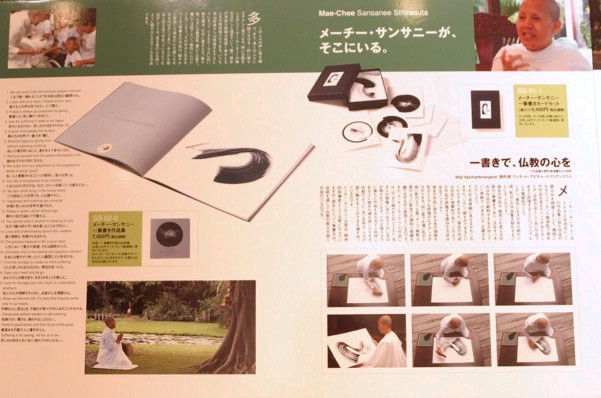
Several of Sthirasuta’s one-stroke ink works are radial, like slowly revolving records atop turntables or water circling a drain. Other strokes bend and curve over and down without quite touching. In some places her hand is so light that you can see where individual hairs of the brush have followed the movement of her arm; one in particular is so lightly applied that the ink takes on the appearance of ocean spray.
As artists, Sha’s and Sthirasuta’s work articulate a duality between ink and paper: positive and negative, light and dark, near and far. As spiritual teachers and healers, these compositions convey opposite and complementary forces: joy and suffering, peace and discord, full and empty, existence and non-existence. Their work is an extension of their roles as teachers and healers, a physical representation or imprint of their developed consciousness. It is meant to trigger a cathartic experience in the viewer, perhaps too deep and powerful for words, akin to marveling at the scale of the universe and feeling significant in its vastness.
The work in this exhibition can be appreciated simply for its aesthetic.
However, like their historical predecessors, Sha’s and Sthirasuta’s calligraphic work encourage observations in which disbelief is suspended. Like their forerunners, their work is two parts of a whole: the continuation of an ancient aesthetic practice and the self-actualization of the calligrapher. “Collective doubt is a key ingredient in our present cultural condition…as a society, we are inclined to doubt the singularity of grand narratives, including spirituality and religion.” But if we can engage with the narratives of non-objective art, many of which were created with the intention of generating spiritual experiences, we are not, as viewers, too far afield in our quest to pierce the essence of the work within this show. Least of all, our exposure to Western abstraction and non-objective art has provided a lens through which this exhibition can be explored, understood, and appreciated.
Because art has become increasingly secular in the last two centuries, “humans now experience spiritual feelings such as devotion or awe in secular public domains such as museums, rock concerts, sports arenas and shopping malls.” This exhibition offers an opportunity to re-incorporate such sensations into one of their points of origin. Part of the human condition is to reflect upon our relationship with the cosmos and to question our role in it. By creating objects or contemplative art, Sha and Sthirasuta are in league with other contemporary artists who are increasingly revisiting and revitalizing art’s connection to spirituality, an inquiry with a twenty-five thousand year history. Their practice offers the sensitivity to not only generate symbols that reflect our humanity, but to interpret and appreciate their relevance in the past, present, and future.
***
Throughout the ages, art has fostered a lasting partnership with spirituality. Before the Enlightenment, the vast majority of art being produced was spiritual in nature, an object or a setting created to reflect the beliefs of the world’s civilizations. Through art, human beings conveyed their systems of belief, gave physical forms to deities, and erected sites for worship.
In the West, art’s connection to spirituality largely dissolved after the Enlightenment. As Europe’s monarchies crumbled, so too did the infrastructures that legitimated and commissioned artists. Burgeoning interests in nature, humanism and the soul supplanted Christian iconography in these early stages of globalization, while a complicated network of dealers, critics and buyers became new patrons for the arts.
The disintegration between art and spirituality remained the norm throughout most of the twentieth century, with the exception of non-objective art. “Some artists who were making completely abstract works were on a quest to see if art could inspire a transcendental state akin to the sublime feeling nature could inspire…[they] hoped viewers would experience a spiritual revelation or at least a deeply meditative feeling while gazing at abstract surfaces or forms.” Certain artists, like Franz Kline, were inspired in this pursuit by Asian art practices, particularly calligraphy, which embodied the spiritual leitmotifs he sought to produce in his own work.
Inter-cultural exchange between East and West was not a new phenomena, the earliest exchanges having taken place on the Silk Road. “Beginning in the late 19th century [however], Asian perspectives were transmitted to American artists through
books and articles written and translated by Western scholars and through Asian devotional art, along with more general forms of Asian cultural expression, such as garden design and Japanese prints. Some American artists were inspired by the writings, some by religious teachings and studies.” Not all interactions were positive: the West has, at times, irresponsibly depicted Eastern culture by fetishizing it or portraying it as under-developed, heathen and savage, as evidenced by Orientalist painting of the 19th century. Nonetheless, the contributions the East has made to the West should not be underestimated: Western art, fashion and design have each been touched in their own unique way by Eastern aesthetics.
Though calligraphy was considered an art form in China long before painting achieved a similar elevated status, there exists to this day a tendency to view—and indeed characterize—contemporary Asian art as being exclusively motivated by political turbulence. We pass over brush and ink in favor of more relatable trends, like the Political Pop of 1980s Beijing, a combination of Cultural Revolution propaganda and symbols of Western capitalism. This focus is exacerbated by the international attention granted to artists like Ai Weiwei, whose work remarks upon the open sores of Chinese socio-political identity. This is not to deny that his work is invaluable. Ai’s monumental installations, media personality and cynicism for his government align perfectly with the inclination of the Contemporary to celebrate criticism. This narrow lens fails, however, to take into account more established and traditional aspects of Chinese cultural vocabulary, specifically calligraphy, that have informed Western art historical movements.
Notes
Beam, Christopher. “Beyond Ai WeiWei: How China’s Artist’s Handle Politics (Or How to Avoid Them).” TheNewYorker.com. Last modified 27 March 2015. Accessed 17 July 2017. http://www.newyorker.com/news/news-desk/ai-weiwei-problem- political-art-china. Delbanco, Dawn. “Chinese Calligraphy.” metmuseum.org. Last modified April 2008.
Accessed 17 July 2017. http://www.metmuseum.org/toah/hd/chcl/hd_chcl.htm McDaniel, Craig and Robertson, Jean. Themes of Contemporary Art: Visual Art After 1980. New York: Oxford University Press, 2013.
“The Third Mind: American Artists Contemplate Asia, 1860-1989.” guggenheim.org. Accessed 18 July 2017. https://www.guggenheim.org/arts-curriculum/resource- unit/the-third-mind-americ
Wall Texts
Master Sha’s Tao Calligraphy
The ancient art of Chinese calligraphy has long been a revered practice for cultivating the life force of energy (qi or chi), well-being, and happiness and an esteemed path to wisdom.
Tao Calligraphy is a unique form created by Master Zhi Gang Sha that builds on this tradition by infusing the unique one-stroke Yi Bi Zi calligraphy with Tao light, blessings, and messages of the Greatest Tao qualities of love, forgiveness, compassion, and much more. Master Sha’s Tao Calligraphy is Oneness writing that carries frequencies and vibrations that bless everyone in its presence.
Tao Calligraphy brings together the essential Taoist principles of following the Way, uniting humanity and Heaven, and cultivating health and longevity with the power of soul, heart, mind, and body.
Ven. Mae-Chee Sansanee's One-stroke Dhamma
With the power of a meditating mind and a human’s consciousness, mindfulness can be enhanced. A meditating mind and consciousness are, however, not the goals of life, but miraculous tools developed by humans to unleash intellectual potential, which is the ultimate art of existence.
A single brushstroke results in existence and non-existence. These come along with the four elements of strength, gentleness, heat and cold. In addition, the brightness and darkness portray joys and sufferings, while the depth gives the sense of near and far that could extend to infinity.
In the oneness, there is everything; and in everything, there's a perfect harmony. Similarly, humans and all the world's beings are one.
Artist Biographies
Dr. and Master Zhi Gang Sha
Dr. and Master Zhi Gang Sha is an extraordinary spiritual teacher and a servant of humanity and the Divine. He is the author of 24 books, including 11 New York Times bestsellers. Trained as a conventional medical doctor in China and a doctor of traditional Chinese medicine in China and Canada, Master Sha founded the Tao Academy and the Love, Peace and Harmony Foundation. He is a grandmaster of many ancient disciplines, including tai chi, qi gong, kung fu, the I Ching and feng shui. Master Sha is also an expert in the most advanced cellular healing science now occurring in China.
In the West, he is involved in breakthrough research on the effects of spirit on the human system. Master Sha was named Qigong Master of the Year at the Fifth World Congress on Qigong. In 2006, he was granted the Martin Luther King, Jr.
Commemorative Commission Award for his humanitarian efforts. His Soul Power Series reveals soul secrets, wisdom, knowledge and practical techniques to transform every aspect of life.
He has been recognized as a Shu Fa Jian (National Calligrapher Master) and appointed to the position of Yan Jiu Yuan (Honorable Researcher Professor) and National and Overseas Board of Advisors Consultant by the State Ethnic Academy of Painting in China. Master Sha originally learned the unique one-stroke Yi Bi Zi calligraphy from the over 100-year-old Professor Li Professor Li Qun Yun, who learned it from Tai Shi (Supreme Teacher), the teacher of the last emperor of China and the royal family of the Qing dynasty. After mastering the Yi Bi Zi style, Master Sha went on to create a new form with Tao Calligraphy.
On March 18, 2017 a very successful opening of an exhibit of Master Sha’s Tao Calligraphy, held at the Cultural Palace of Nationalities in Beijing, was attended by over 2000 people including well-respected government officials and artists.
Ven. Mae Chee Sansanee Sthirasuta
Ven. Mae Chee Sansanee Sthirasuta, a Buddhist nun, is the founder and Director of the Sathira-Dhammasathan Center, in Bangkok, Thailand. The Center, under Ven. Mae Chee Sansanee’s leadership, believes that Dhamma is holy, when it can be applied in the normal way of living. We also believe that every human being has the potential to live a life that is free from suffering. We believe that people can be different and that difference should be respected and accepted.
For the first seven years of her life as a nun, Ven. Mae Chee Sansanee studied and practiced meditation with her teacher, which became the foundation of her work and ways of living. She started Sathira-Dhammasathan in the year 1987, filling a plot of barren land with trees and ponds, with the intention to make the Center a community place of learning, where people learn to let go of their ignorance and to be happy doing their duty for the betterment of the world. Meditation and Dhamma discourses were the major activities in the first few years. The suffering that Ven. Mae Chee noticed and heard from the people attending these courses led her into other projects, touching the lives of those that suffer and those that originate the suffering. The trail led her through all walks of life, from the rich and successful to convicts in prisons, from happy families to abused and deserted mothers.
Her remarkable teachings and humanitarian efforts to help break the cycle of violence in communities soon caught the attention of the Thai Government, which has since appointed her to several important and influential positions. Ven. Mae Chee has been a keynote speaker in many notable events including the Celebration of the 2550 Anniversary of the Buddha. She is also the Co-Chair Global Peace Initiative of Women and the UNDP for the Global Youth Leadership Summit.
In all her work, Ven. Mae Chee Sansanee uses Dhamma to bring peace, harmony, respect and an open heart, without discrimination or bias.
Ven Mae Chee Sansanee Sthirasuta is considered the Living Saint of Thailand.
Contact Info
Marilyn Tam – 805.895.0005 marilyn.tam@drsha.com
Sande Zeig – 520.834.7576 sande.zeig@drsha.com
© 2017 Universal Soul Service Corp.